
The following dialogue was picked up on the mic input of a media player in the Assembly House last night. I have transcribed it making no alterations except where the sense would have been lost without them.
Rob: Your turn, Lucas. I’ll have a pint of Pride.
Maria: Another of those fizzy wines, please Lucas.
Lucas: O.K – a pint of Pride and a spritzer
(Bar noises and me ordering the drinks)
Rob: Cheers Mate
Maria Cheers
Lucas I got some nuts
Rob: So Maria why won’t you read us one of your…
Maria: One of my poems you mean?
Rob: Yeah – you are mean not showing them to us
Maria: Yes – but it’s the translation: I still compose in Perovian and then into English. It’s like with the Noise poem – I have to search for the silence and out of the …
Rob: Yeah the silence…the Word comes from that…translate your own word!
Maria: Anyway you did most of the translating. I gave you just the literal meanings…
Rob: Nah. It was mostly you luv. Come in – join the mob. You’re one of us now. Let’s have one of your pomes. I know you’ve got one with you be… cause you were writing it when I got here. I saw that notebook you’ve been secreting about your person.
Lucas: I seem to remem’er you used to be quite coy – at the Frenz House when you first went
Rob: Save some of those nuts for me, Lucas mate. Yeeh!! We all need to get the right moment – nahmeen? Maria this has got to be it….
Maria: Mmmm
Rob: Good on yer girl..
Unidentified
Voice: Someone turn the light out – I’m goin to sleep – turn the light orf.
Second unid.
Voice No, don’t do that. I’m still reading.
Maria Well – here goes then
Maria reads one of her poems from her forthcoming collection.
(For copyright reasons I am not allowed to blog it. Maria would not mind herself. It is a fact that the publishers and her sponsors – The Perovian Institute of New Writing – have expressly restricted any pre-publication. Let’s not forget that the P.I.N.W is an important contributor to the literary scene in that small but significant country and we should not disregard its wishes lightly. Even Noise’s membership was suspended for several years when he was suspected of Romanticism. The charge was completely unfounded, of course, but he was left out in the cold for a while.
N.B. Robert and Maria are flying Pero this week for a holiday and hopefully will be able to get permission, while they are there, for Maria to release a few of her poems in translation.)
Rob: yes.
Lucas I really enjoyed that – Thanks Maria. The images from painting and drawing were so strong!
Unident.
Voice You’re not one of them bleedin graffiti artists are you!
Sunday, February 18, 2007

Friday, January 26, 2007
Mezzanine
This poem has been translated from the original Perovian by Robert Trellisand and Maria Esdovin. As a Perovian speaker, and poet in her own right, Maria has been invaluable in helping Robert to produce the English version.
Noise's buildings have been largely industrial and domestic, innovating housing complexes and ergonomic plants for light manufacturing, but his early work was revolutionary.
It is said that he never fully forgave the authorities for rejecting his design for a building consisting entirely of Mezzanine floors.
In this poem, which is clrealy linked to that experience, Vecute's political reference are covert and extremely difficult for an English reader. The poem has nonetheless started to gain an underground audience, and it is hoped that a full annotated version will appear soon.
Mezzanine
It’s still there in the depths of me,
not far from the garden with its worn
grass and single tree:
it’s a storey on which many storeys
have been built – each year another story.
Tall and grey-clad now
I sway gently, imperceptibly
with the tremors and air-
disturbances of time.
In the depths of me, still there
and difficult to reach, since
all the lift operators were fired
and Maintenance were relocated –
and the stairs are dangerous!
On some of those middle floors
I wouldn’t linger, what with
well – you know – the rats
and the graffiti. I mean
the graffiti on the wall
and the rats on the bed:
those half-way-ups, where,
sucked away by the updraft,
towels disappear from window-sills.
It’s difficult to get back
to where I want to be,
and then – once there – I might not get back up
if my knee’s playing up.
Yes – it’s still there, a gentle curve of curtain,
those real brick walls,
multifarious brick, orange
and yellow and oddly tinged
as bricks are. Good old brick,
decent and honest – that’s what I miss!
It’s not the first floor
the one I’m telling you about;
it’s one up from adolescence,
or is it one down?
Any rate, it’s not
the central storeys that interest me, nor these
wind-buffeted facades up here,
where – to be frank with yer –
what goes round comes around.
Ah! If only I could get back
down there
down to my mezzanine
where you can talk to people from the balcony
or, if they’re playing football
with their kids,
just smile or do something
friendly and ironic with your eyebrows.
I’ve grown from the ground up
each year a little further
and – build we must – so I must live
with the building I’ve become,
realising I’m descended
from what’s below – what
was that Wordsworthian dictum?
Ah, Yes – the mezzanine
that’s what I was:
a balcony full of Summer
a ledge-full of scents:
the people who dwelled in me, friend and foe….
I remember once, one evening,
just before it rained,
somebody I once knew
succeeded in getting a glass of wine
out of the window, offering it down
in carnival gesture, as the taker
reached up from the… ground.
++++++
Noise's buildings have been largely industrial and domestic, innovating housing complexes and ergonomic plants for light manufacturing, but his early work was revolutionary.
It is said that he never fully forgave the authorities for rejecting his design for a building consisting entirely of Mezzanine floors.
In this poem, which is clrealy linked to that experience, Vecute's political reference are covert and extremely difficult for an English reader. The poem has nonetheless started to gain an underground audience, and it is hoped that a full annotated version will appear soon.
Mezzanine
It’s still there in the depths of me,
not far from the garden with its worn
grass and single tree:
it’s a storey on which many storeys
have been built – each year another story.
Tall and grey-clad now
I sway gently, imperceptibly
with the tremors and air-
disturbances of time.
In the depths of me, still there
and difficult to reach, since
all the lift operators were fired
and Maintenance were relocated –
and the stairs are dangerous!
On some of those middle floors
I wouldn’t linger, what with
well – you know – the rats
and the graffiti. I mean
the graffiti on the wall
and the rats on the bed:
those half-way-ups, where,
sucked away by the updraft,
towels disappear from window-sills.
It’s difficult to get back
to where I want to be,
and then – once there – I might not get back up
if my knee’s playing up.
Yes – it’s still there, a gentle curve of curtain,
those real brick walls,
multifarious brick, orange
and yellow and oddly tinged
as bricks are. Good old brick,
decent and honest – that’s what I miss!
It’s not the first floor
the one I’m telling you about;
it’s one up from adolescence,
or is it one down?
Any rate, it’s not
the central storeys that interest me, nor these
wind-buffeted facades up here,
where – to be frank with yer –
what goes round comes around.
Ah! If only I could get back
down there
down to my mezzanine
where you can talk to people from the balcony
or, if they’re playing football
with their kids,
just smile or do something
friendly and ironic with your eyebrows.
I’ve grown from the ground up
each year a little further
and – build we must – so I must live
with the building I’ve become,
realising I’m descended
from what’s below – what
was that Wordsworthian dictum?
Ah, Yes – the mezzanine
that’s what I was:
a balcony full of Summer
a ledge-full of scents:
the people who dwelled in me, friend and foe….
I remember once, one evening,
just before it rained,
somebody I once knew
succeeded in getting a glass of wine
out of the window, offering it down
in carnival gesture, as the taker
reached up from the… ground.
++++++
Saturday, December 30, 2006
A Parish Mystery
Robert dropped by the Bull and Last the other day with a piece of paper he said he had got from his grandfather's chapbook which had in turn belonged to his great grandfather. The piece is not dated but the chapbook with ballads by local pamphleteers was published in 1832.
When I faced Robert with the fact that he claims he is descended from the wall at the bottom of the road he looked me in the eye and told me not to be so f---ing patronising. Another thing we differed on was our explanations of the reference to Headlong Hallies.
Robert believes it is his great grandfather's tribute to Thomas Love Peacock - Headlong Hallies being people who admire or who are hooked on the novel Headlong Hall.
My interpretation is different - I think it is far more likely to refer to the comet which was in the sky during 1832.i.e Hally's Comet The Headlong Hallies would therefore be the types who fling themselves through life like a comet and have no repect for the polite orbits of planetary folk.
Rob and I can't agree on this but have agreed to differ - we are therefore jointly posting the extract from Great Grandad Trellisand. Would be grateful for the views of others.
We Headlong Hallies disrespect
the venerable spires and their elect;
and focus our nightly long conjecture
on heavenly bodies' architecture.
We look ...... (askance)
at dull doctrinalism;
our more aitheistic schism
regards the material itself..
We have transcribed the handwriting as accurately as possible, though can't make all of it out.
When I faced Robert with the fact that he claims he is descended from the wall at the bottom of the road he looked me in the eye and told me not to be so f---ing patronising. Another thing we differed on was our explanations of the reference to Headlong Hallies.
Robert believes it is his great grandfather's tribute to Thomas Love Peacock - Headlong Hallies being people who admire or who are hooked on the novel Headlong Hall.
My interpretation is different - I think it is far more likely to refer to the comet which was in the sky during 1832.i.e Hally's Comet The Headlong Hallies would therefore be the types who fling themselves through life like a comet and have no repect for the polite orbits of planetary folk.
Rob and I can't agree on this but have agreed to differ - we are therefore jointly posting the extract from Great Grandad Trellisand. Would be grateful for the views of others.
We Headlong Hallies disrespect
the venerable spires and their elect;
and focus our nightly long conjecture
on heavenly bodies' architecture.
We look ...... (askance)
at dull doctrinalism;
our more aitheistic schism
regards the material itself..
We have transcribed the handwriting as accurately as possible, though can't make all of it out.
Thursday, November 09, 2006
Waiting
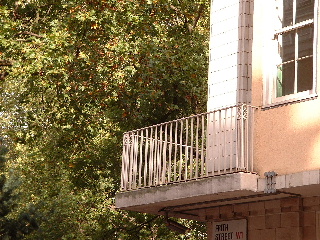
Waiting…
You could almost reach up
and touch the deserted balcony
above the busy street; its old
metal railings admit striped light
to a world you can’t quite see,
a forgotten stage, a proscenium
where a memory lingers, or a sense
of something about to happen.
Down in the streets, in pairs, women
walk, talk and laugh together;
men, in twos, stride manfully.
Two buses together
at the depot, ready to rumble
waiting for their driver,
are vessels, waiting to be filled.
Behind walls and windows people
are talking, or sitting and listening.
There are people going somewhere
or waking up at home
getting ready to go somewhere –
to staff an enquiry desk,
or get to their shift,
to meet in the park or
just to be in the park,
queuing for cinemas,
standing in bars,
on moving staircases,
like red cells in capillaries
or like droplets moving
in tubes of glass. Travelling
somewhere or returning
from travelling;
moving points in a panel
of sky connect up the globe….
And the stage, tiny and bare,
is still lonely, still waiting,
as the light alters,
for two actors again to enter
and play out their scene together.
+++
Friday, October 06, 2006
Ross's Riddle

Ross’s Riddle
It was past the last station on the line
Where philosophers go to perpetrate
The overthrow by positive virtue
Of amorphousness and indifference,
In the ruins of a Norman castle.
A fine rain fell the day I walked up there,
Making the trees and vegetation drip –
As if dipped in an Existential ocean:
The records of our world were washed away.
Engaged yet uninvolved, energised and yet
Laid back, I headed for the old stone walls
Which would have been deserted, save for Ross
Who’d worked his primus up to brew some tea.
We stood under the partly crumbled arch
With our enamel mugs, unsmilingly
Discussing the cycle of lake, heat & rain.
“Look, Trellisand, it’s like your bath –
Evaporation and condensation
Make water run in droplets down your walls
It’s simple really – that’s what rain is, see.”
Naturally, I didn’t quite see, provoked
And grumbled, “The lake’s not boiling, is it?
So how can it make steam, evaporate?”
“Your bath’s not boiling either, mate. It’s heat
It takes and just the change in temperature
In water, air and upper air to make
The droplets form and fall as bloody rain!
What nature takes out, nature puts back in.”
To fend him off, I nodded and agreed,
Taking a rich tea biscuit from the plate,
Which presented miraculously dry.
The tea at least made sense and quenched my thirst.
His close-cropped reddish hair, and beard,
A little more unkempt, conspired to make
His thin face seem perpetually strained
As if from touring in a Hillman Imp.
And still it rained whitening the green landscape
Veiling near trees and distant houses, both,
In its approaching, disappearing mist.
My question came from deep down, welling up:
“There’s something I have come to ask you, Ross.”
He tapped his mug against a stone to get
The tea leaves out, rinsed, then sighing
Stood straight, “Well, Robert, spit it out – all ears.”
“What I’d like to ask is this,” I started,
“Would I, if I had done things differently,
Be better off than I am now? That’s it.”
His face seemed more inanimate than rock
Or stone – metallic, his eyes looked past me
Diffused and distant as the hills they scanned
Time had not stopped. I felt a heavy and
Cumbersome frame pass too close for comfort.
Then Ross began to speak. The spell was lifted
“Done things differently? I’ll say you have –
Differently from me and from all men.
What you mean, chum, is different from different
Ly. But, had you done things “differently”
They would not, then, be different – nor the same.
The difference that you ask about can be
Between universes only, you see..”
He trailed off in rasping cackles, showed
An unfamiliar set of tea-stained teeth,
And then, once more composed, restarted: “Rob,
The past has gone – alright, chum – quite gone!
Don’t dwell on it. Read the philosophers
And read the actual words they’ve written down
And look at knowledge and the verb to know;
In silence find the word you cannot hear.”
Down through the dripping meadows, having thanked
My man, I headed for the station, wrapped
In my own thoughts, replaying Ross’s riddle
In my head – noticed the trees looked greener –
The rain had stopped & a bird perched
On the station fence, grey and white plumage
Sharply etched, seeming too to take me in
Before it flew: “Now”, now the answer came.
****
Friday, August 25, 2006
Chaser
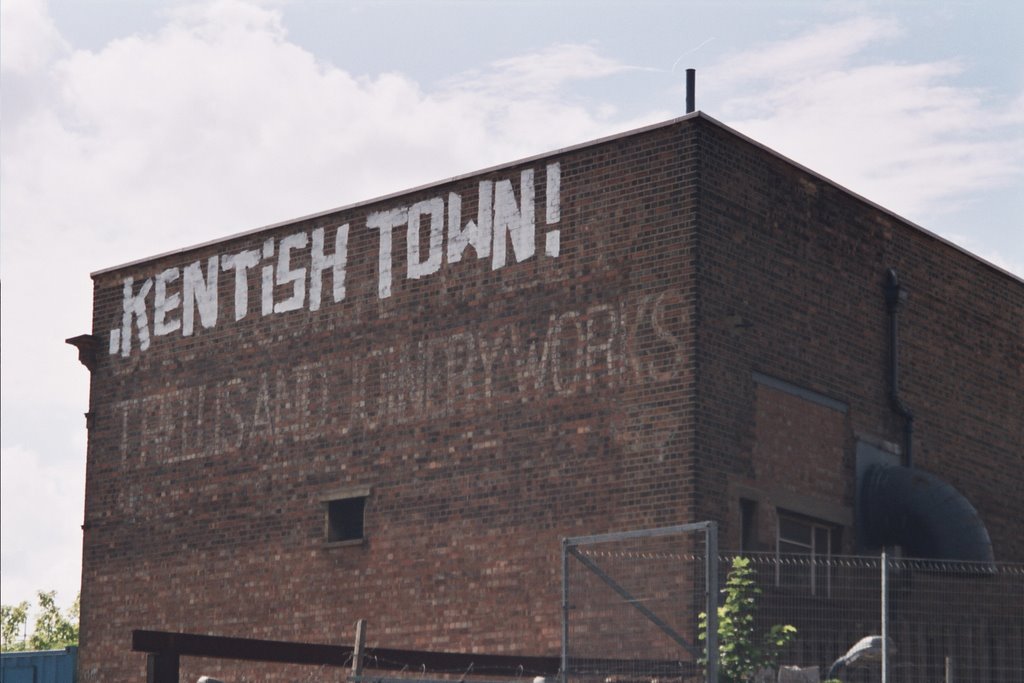
A woman, calling herself Kentish Town, has appeared at the Torriano Meeting House. Robert thinks she is having a bit of a joke at his expense. Be that as it may, we went for a drink afterwards at the Assembley House and bought her a pint.
She thrust this poem at us which she says she is too embarrassed to read to the group. I personally think it's an amusing reply to Rob's poem, and Kentish has given her wry permission for it to go out as a posting on this blog.
Champagne is not my drink, it never were.
I see the point you're making about my letters -
Bubbly and white - but that's for smart go-getters.
Look, Mate, it's London Pride or Youngs that I prefer:
A well-pulled pint has white froth on the beer.
Simply explained, it's beer that breaks the fetters.
Do us a favour, let's leave the champers
Until our first book's published. Listen here:
This woman , or dame, drinking Thunderbird -
I think you undersell y'self there. Load a
Glass with a dram of whiskey, add some soda,
That's more like your style, Mate. On my word,
Thunderbird sounds like a hot-rod racer.
Scotch, Mate! I'm Kentish hops and your're the chaser.
Friday, August 18, 2006
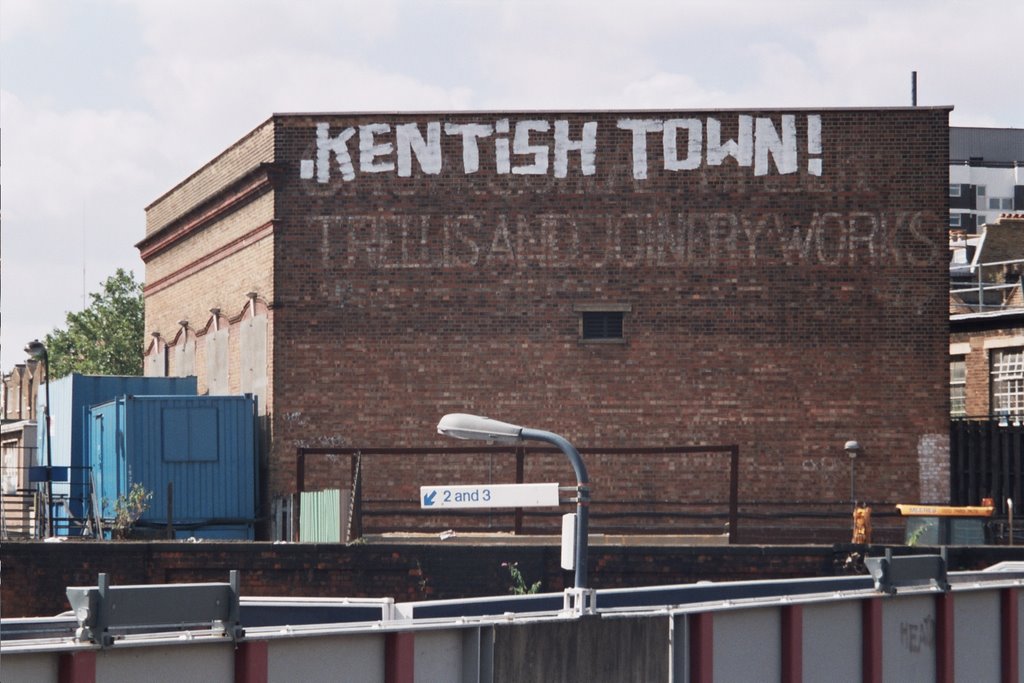 A visitor to this blog has asked me to publish this photo and the following poem - it is my good friend Robert Trellisand - the wall man of Kentish Town. Robert and I met at the Torriano Meeting House and we have talked about pomes a bit. That's Rob's letters, his mortal coil, you see there up on the wall just beneath the brand new job by a local artist.
Face to Face
Super-graffiti’d on my wall, a name –
Not Hollywood, L.A. and not New York
Those bubbly letters seem to fizz and uncork
Champagne, a white froth promulgating fame,
While my letters have no such fancy claim,
No glass to catch them, ice to make them work.
Mine are the fine fume a New World dame
Exhales when she’s got Thunderbird to walk.
I share my being with this pride of place
My dreaming mansion suddenly a commune;
What twist of Kismet, quirky stroke of Fate
To pair me with this jaunty fellow, face
To face with: .Kentish Town! I’ll say, Fortune
To stand by him; am proud to call him mate.
*******
Tuesday, August 15, 2006
Saturday, July 22, 2006

Sunday, July 16, 2006
Just One Pint
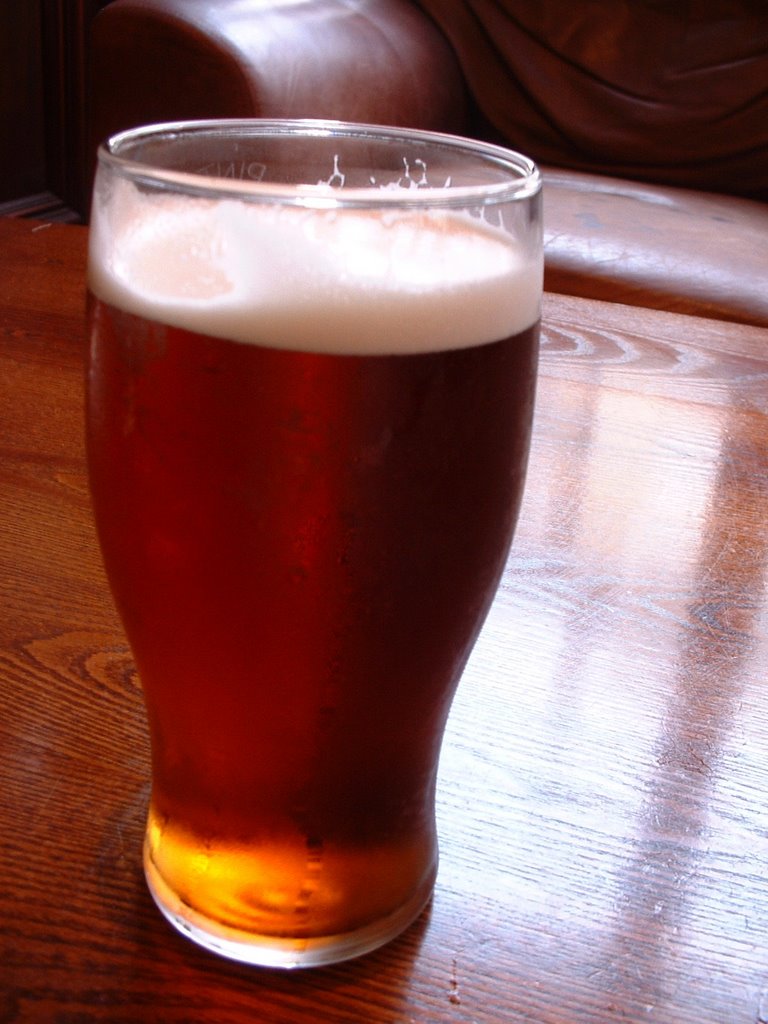
"My poems just keep coming," mumbled Ant,
One sultry Tuesday, as he got up to read
His latest, to an aimiable sycophant
Who'd joined him in the Gardener and Weed
Suzanne could drink one pint while he drank four
And though he never seemed the worse for wear
She called a cab to take him to his door
And shared the mile to make sure he got there.
Now, helpmate, she whisperingly confided,
"I've sent your poems to the TLS."
The SAE came back, and soon derided,
Suzanne revamped herself, regrouped, no less -
She spends her Tuesday evenings poem-writing
with just one pint to see what it will bring
Sunday, July 02, 2006


Saturday, June 17, 2006

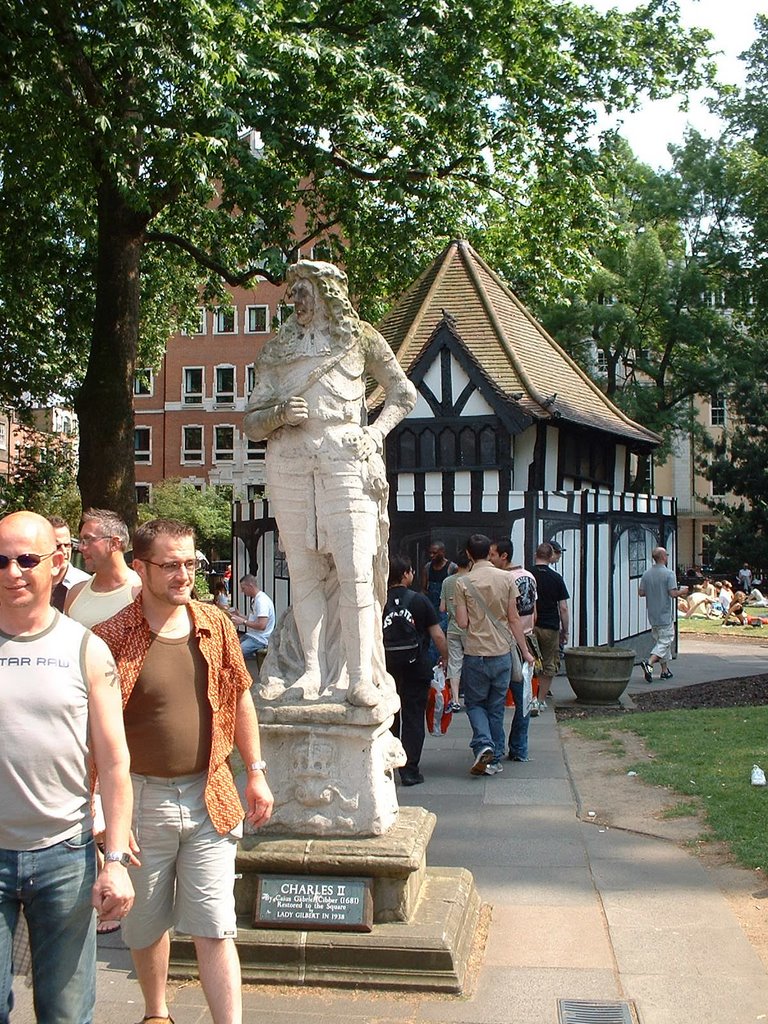
Striped Space and Gardener’s Hut
They’ve made a garden stage of the old gardener’s hut
A piece of scenery within the garden’s heart
All winter a cage of wire went around the bench,
Scaffolding supports and January’s plastic sheeting
For the grass. Now – perplexing transformation –
The black-wood, plaster hut is clad in artful boards
That, portraying a full-size version of itself,
Encases and so protects. Lead windows, tiled roof
Proudly emerge from this suit of party armour
That guests surround in the hot June sunshine: they laugh
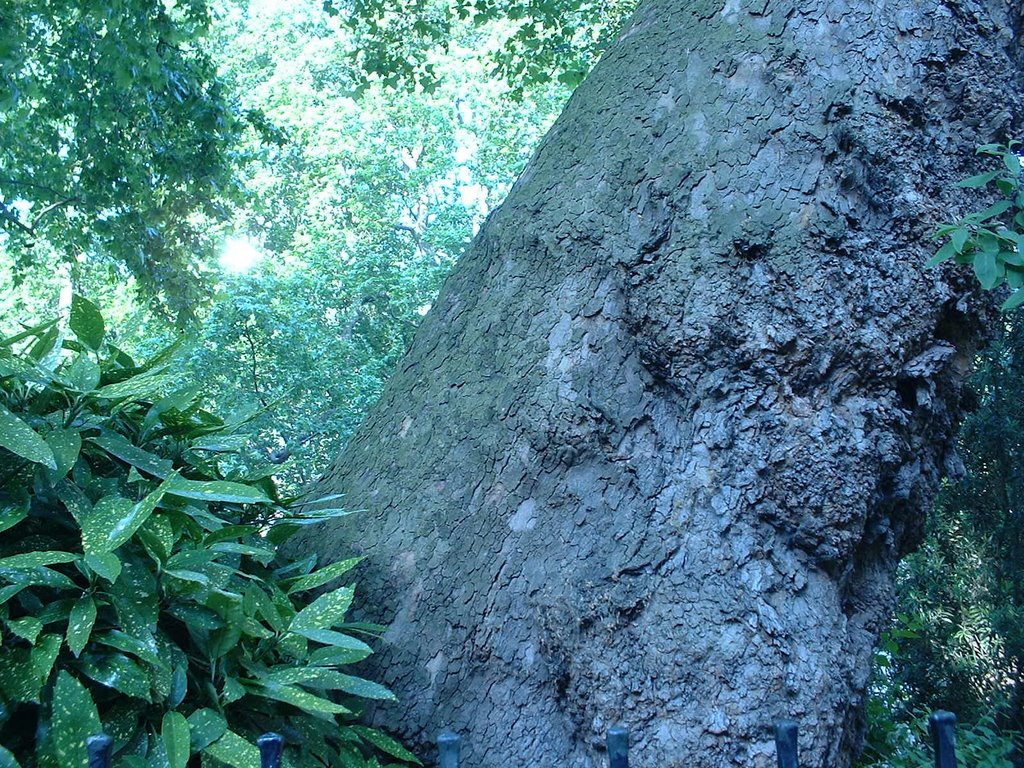
And touch, staying under the trees that rise untramm-
Elled over Soho Square – the Twentieth Century
Fox building and the Women’s Hospital stand up
As tip-toe lovers in their mutual height with branches
That stretch towards them in the grand manner of art:
In a white breeze the high leaves nod to sun-lit walls.
Where voices strum the air, quick heat wave seeds, light-borne -
Around and high over its pointed tiled roof –
Flicker down, striping the space of the gardener’s hut,
Tickling the throat that dreams of tigers, on the grass.
Tuesday, May 16, 2006
La Vita Nuova
LA VITA NUOVA
‘From out of corruption of their woe
Springs this bright flower that charms us so,
Men rot and die deep out of sight’
- Richard Le Galliene
Amid the harsh lights and unfamiliar voices
I lost consciousness, spirit sunk
Within my polished breast –
Treading down through rocky passages
Where living creatures dread to go;
Like Orpheus I left the upper air
Behind, went deeper through the caves
In search of her…..
I slept until
The poet lifted me in supple hands
And placed me on the table by his desk.
A pale waxy light picked out a room
With books and notebooks, papers everywhere;
We looked at each other openly
Without the sense of either in control.
The lines around his mouth
Spoke of a fierce non-suffering of fools and lies;
The eyes, where fires of humour and of sorrow
Burnt side by side,
Soothed my jangled energies.
Spinning cab wheels rattled on the street outside
And still we sat, no place to go
Until he turned away
And wrote for several hours.
***
An affair of the heart deranged his mind.
I saw the trappings of the demimonde:
Decanter and glass
Guineas and bankers drafts
Wantonness of dress
Flask and file,
Figures I could not understand.
The words “casino” and “fortune” flew…
He did not fall apart.
At the spinning centre of the wayward wheel
The unfaltering stillness was.
His visitors, though some had
Artificial manners, were not false –
Orchids in the desert night, a bright
Gaudiness enhanced their beauty;
And when the pearly fog surrounded us
Magnifying absences,
Their abstract perfumes or
Some sweet remnant of the distant person
Lingered on…
Although inevitably
To some his face became a mask
I knew the weight of sorrow in this ocean
That kept him to his task.
To him I told my story,
My feline history – he it was who drank in,
As if rehearsing mordant wickedness,
The strange concoction of my former days:
The lost Lord, the mistress
Missed, for ever missed –
A sense of knowing
A knowing sense
Surrounded us.
We glimpsed a fresh city
Bathed in new splendour, better than before,
Where differences discovered prospered
And grinding poverty was less;
Both saw
A valorous resistance
With streets burning and bombs falling
In a curtained future
A violence beyond imagining.
I saw my old house hit; he his favourite
Drinking hole go down; now, here
At last was something he did not write about.
____
Monday, April 17, 2006


Sunday, April 16, 2006
Sunday, March 12, 2006
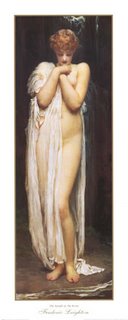
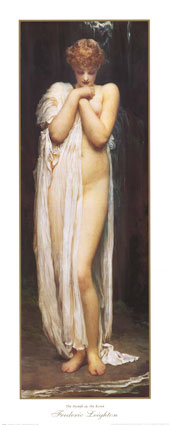
A Small Artifact
IN CASE YOU ARE PUZZLED BY THIS POSTING, WHICH IS ABOUT A SMALL ARTIFACT FROM THE HALL OF LEIGHTON HOUSE, ALL WILL BE MADE CLEAR IN THE NEXT POSTING. YES - LORD LEIGHTON WAS A PAINTER AND THIS BLOG IS CALLED "POMESONPOETS", BUT THE SMALL ARTIFACT WHO BEFRIENDED THIS MODEL, WENT ON TO FURTHER ADVENTURES IN THE LIFE OF ITS SUBSEQUENT OWNER.....
A SMALL ARTEFACT REMEMBERS LEIGHTON HOUSE
‘Hotel garni de l’infini
sphinx & joconde de defunct monde’
The price they paid for me I do not know
Only remember the day I left my master’s house
Crated in straw
To start another life outside
My hall of Iznic tiles, the fountain’s
Everlasting litany –
Against the terra cotta sky
I leapt for him with eyes of yellow
Topaz – and he spoke to me
As a man speaks to an animal
From a defunct world.
****
The models came, gave their consent,
A model’s nerve, to be studied
Like specimens, their plastic beauty played
By day or artificial arc
For the absorbed maker to explore
Strip naked or hang clothes on, each
Crease or crinkle caught by sinew
Linked to skeleton, stretched
By toned flesh. The models came and went
Having changed and been changed
From woman into character, fashioned
For trained or untrained eyes
To lap around.
And when they left,
The curving banister of lacquered ebony
Wasn’t for then. Their stairs, a narrow
Exit from a dream, brought up the level road
Back to the city where seasons baked
Or froze, streets bubbling with bad ends.
I saw the hopeful women
As they came and went, the space around
Each curve of shoulder or curl,
And watched the silences
Between the laughing words.
***
About the time the peacocks came
Hubbub of dust and builders shook the place;
There was a face he could not let go -
It was the look from those eyes that stayed all night,
And when the hall was finished
The sky became a memory, the blue-tiled
World of art more real than any other.
Down by the fountain we would wait for him,
She in her latest plunging dress
As the small hours expanded and dawn,
Fabled through coloured glass, broke free
Across the tapestry of tiles,
I, crouching behind the pillar still,
About to spring.
*****
A SMALL ARTEFACT REMEMBERS LEIGHTON HOUSE
‘Hotel garni de l’infini
sphinx & joconde de defunct monde’
The price they paid for me I do not know
Only remember the day I left my master’s house
Crated in straw
To start another life outside
My hall of Iznic tiles, the fountain’s
Everlasting litany –
Against the terra cotta sky
I leapt for him with eyes of yellow
Topaz – and he spoke to me
As a man speaks to an animal
From a defunct world.
****
The models came, gave their consent,
A model’s nerve, to be studied
Like specimens, their plastic beauty played
By day or artificial arc
For the absorbed maker to explore
Strip naked or hang clothes on, each
Crease or crinkle caught by sinew
Linked to skeleton, stretched
By toned flesh. The models came and went
Having changed and been changed
From woman into character, fashioned
For trained or untrained eyes
To lap around.
And when they left,
The curving banister of lacquered ebony
Wasn’t for then. Their stairs, a narrow
Exit from a dream, brought up the level road
Back to the city where seasons baked
Or froze, streets bubbling with bad ends.
I saw the hopeful women
As they came and went, the space around
Each curve of shoulder or curl,
And watched the silences
Between the laughing words.
***
About the time the peacocks came
Hubbub of dust and builders shook the place;
There was a face he could not let go -
It was the look from those eyes that stayed all night,
And when the hall was finished
The sky became a memory, the blue-tiled
World of art more real than any other.
Down by the fountain we would wait for him,
She in her latest plunging dress
As the small hours expanded and dawn,
Fabled through coloured glass, broke free
Across the tapestry of tiles,
I, crouching behind the pillar still,
About to spring.
*****
Friday, February 24, 2006
Second Version
“Who Lives There…?”
A large White-fronted house,
Gravel drive and crocuses
On the lawn – no wonder
I was nervous when you said,
In answer to my question ,
“Let’s go inside and have a look!”
Without a moment’s pause
You walked up to the great door,
Pushed it open, led me in
Through a hall where no-one
Stopped us, past the readers
At the shiny tables and the high
White shelves of books, the undisturbed
Uncluttered world of books
Returned and borrowed. You took me in
To the Library that still
Seemed a private residence – I followed,
And returned again through
Season’s pendulum…. in winter,
In the crisp blue air when snow
Through floor-to-ceiling windows
Covered the sloping garden to the Mole;
To Poetry, winter-warm in orange
Grey and green, with ghosts
Of the danger-driven, of global war
And paranormal loves.
I found the forms of lives
Florescences, the print that danced
On a white page
Like twigs or buds with gloves of snow:
Each individual crystalline shape
Unique and waiting in a private place
You showed me, shared
When you boldly pushed the door.
++++
A large White-fronted house,
Gravel drive and crocuses
On the lawn – no wonder
I was nervous when you said,
In answer to my question ,
“Let’s go inside and have a look!”
Without a moment’s pause
You walked up to the great door,
Pushed it open, led me in
Through a hall where no-one
Stopped us, past the readers
At the shiny tables and the high
White shelves of books, the undisturbed
Uncluttered world of books
Returned and borrowed. You took me in
To the Library that still
Seemed a private residence – I followed,
And returned again through
Season’s pendulum…. in winter,
In the crisp blue air when snow
Through floor-to-ceiling windows
Covered the sloping garden to the Mole;
To Poetry, winter-warm in orange
Grey and green, with ghosts
Of the danger-driven, of global war
And paranormal loves.
I found the forms of lives
Florescences, the print that danced
On a white page
Like twigs or buds with gloves of snow:
Each individual crystalline shape
Unique and waiting in a private place
You showed me, shared
When you boldly pushed the door.
++++
Tuesday, January 24, 2006
Foyle
FOYLE’S…
You’ve drawn a character
in whose terse style resides
a goodness just beyond
the reach of words
for an actor whose
metal can stand
the scrutiny of white dawns
through blackout curtains
in a time of Blitz
of prolonged war
& temporary respite
in love’s uncertain arms;
taking us back to daily stress
false leads and true alarms.
And as for this man’s passion
all too clearly fate
has bottled up its streams
kept it pure –
love for a son, self discipline
and more
keep him at work for days
and nights worth fighting for -
his name, an epee, rings like steel to sting
whoever’s crossed his calm clarity
others might mistake for duty,
his namesake is a building familiar to
the users of a round patch of lamp
on the page of a book bought
in the Charring Cross Road:
browsers of shelves
in life’s reflective mirror –
it too – that dusty-dreaming place - hard only in defence of liberty.
His England is where the sky slopes
and the land billows in the still morning air,
the sound of a plane or a car in the distance
or a blackbird who sits on a fence and sings, as no-one else has.
You’ve drawn a character
in whose terse style resides
a goodness just beyond
the reach of words
for an actor whose
metal can stand
the scrutiny of white dawns
through blackout curtains
in a time of Blitz
of prolonged war
& temporary respite
in love’s uncertain arms;
taking us back to daily stress
false leads and true alarms.
And as for this man’s passion
all too clearly fate
has bottled up its streams
kept it pure –
love for a son, self discipline
and more
keep him at work for days
and nights worth fighting for -
his name, an epee, rings like steel to sting
whoever’s crossed his calm clarity
others might mistake for duty,
his namesake is a building familiar to
the users of a round patch of lamp
on the page of a book bought
in the Charring Cross Road:
browsers of shelves
in life’s reflective mirror –
it too – that dusty-dreaming place - hard only in defence of liberty.
His England is where the sky slopes
and the land billows in the still morning air,
the sound of a plane or a car in the distance
or a blackbird who sits on a fence and sings, as no-one else has.
Sunday, December 11, 2005
Your Reading
Your Reading
It was a clear night
With a moon in the wintry air
Visible in the crowded sky
And a stillness
About the freneticism
Of the streets –
I walked as far as Soho,
Out by Foyles and
Stretched my open palm
In the direction of your reading
Then went back
Where I’d walked
To follow my tracks
Like an old cat
In search of pizza and wine.
And for a while
You did come with me:
Your “garden” which
Fell “so slowly into the
Brown stillness of Autumn,”
The rat you saw
Boldly in front of you
In the moonlight –
And I thought just to be
With someone who listened to me
Was alright
Since you too were listening with me,
Listening to the café
Listening to the streets:
The low stories from the upper storeys
Basement stories
Floating up to the street –
And I stopped worrying
About missing your reading
And was reassured by the thought
Of your blue-covered book by our bed and
How often you wrote “blau”
And “blaue” and how the last line
Of one of your poems*
Was a metaphor that
Wrapped round my schoolboy wanderings
Perfectly tuned to my adolescent heart
Like an eerie mist from somewhere far,
And how again you are here
Still burning, Georg, your obscure star
In the blue air.
“Lass, wenn trunken von Wein das Haupt in der Gosse sinkt”
Georg Trakl 1887-1914
It was a clear night
With a moon in the wintry air
Visible in the crowded sky
And a stillness
About the freneticism
Of the streets –
I walked as far as Soho,
Out by Foyles and
Stretched my open palm
In the direction of your reading
Then went back
Where I’d walked
To follow my tracks
Like an old cat
In search of pizza and wine.
And for a while
You did come with me:
Your “garden” which
Fell “so slowly into the
Brown stillness of Autumn,”
The rat you saw
Boldly in front of you
In the moonlight –
And I thought just to be
With someone who listened to me
Was alright
Since you too were listening with me,
Listening to the café
Listening to the streets:
The low stories from the upper storeys
Basement stories
Floating up to the street –
And I stopped worrying
About missing your reading
And was reassured by the thought
Of your blue-covered book by our bed and
How often you wrote “blau”
And “blaue” and how the last line
Of one of your poems*
Was a metaphor that
Wrapped round my schoolboy wanderings
Perfectly tuned to my adolescent heart
Like an eerie mist from somewhere far,
And how again you are here
Still burning, Georg, your obscure star
In the blue air.
“Lass, wenn trunken von Wein das Haupt in der Gosse sinkt”
Georg Trakl 1887-1914
Subscribe to:
Comments (Atom)


